Some cheese is meant to be grated over a Sunday sauce. Some are meant to be torn open at the table so the inside spills out. Italy just doesn’t pick one lane — that’s kind of the whole point of it. You don’t need one perfect cheese doing every job. So once you get that, figuring out how to buy Italian cheese stops being about memorizing a list of fancy names. Really it’s just matching whatever’s in front of you to whatever’s actually happening on the stove that night.
Why Buy Italian Cheese For Traditional Meals And Everyday Cooking
Nobody wanders into an Italian cheese shop by accident, honestly. Put it next to a regular grocery aisle and the gap shows up almost immediately. Parmigiano Reggiano and mozzarella aren’t cousins — not really, whatever people assume. Don’t substitute Pecorino for Gorgonzola either. But Parmigiano isn’t standing in for Grana Padano either, not exactly — they’re close, sure, closer than most pairs on that shelf, but still not the same thing once you’re actually cooking with them side by side.
People don’t go to an Italian cheese shop without a good reason. If you look at it next, to a grocery store shelf you will understand quickly. It’s completely different. Parmigiano Reggiano and mozzarella are not related, not really. Gorgonzola cannot be replaced by Pecorino. These cheeses come from traditions that’s all and acting like they are the same is what makes a dish taste dull.
What a real Italian cheese shop does well is take that mess and organize it. Buona Italia splits its lineup into fresh, soft, aged, blue, and hard, so instead of scrolling through everything, you’re picking from a category that already fits what you’re making.
Origin matters more than most people give it credit for, too. A good chunk of what you buy Italian cheese-wise here carries an actual regional story — sometimes with a formal PDO stamp behind it. That stamp isn’t decoration. It ties the wheel in your hand to one place, one method, nowhere else.
Choosing Hard Italian Cheese For Rich Flavor And Versatile Recipes
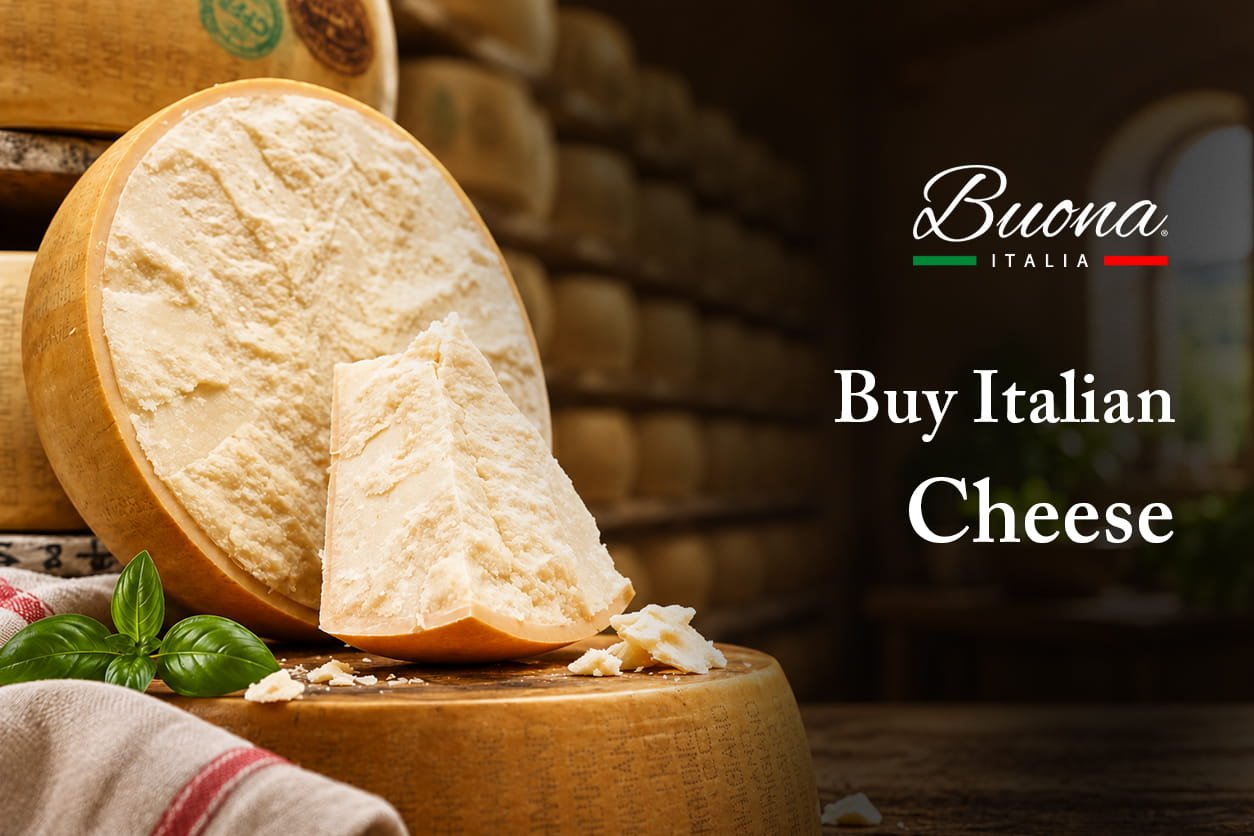
You grab hard Italian cheese when a dish needs something with backbone — grated over pasta, melted into a sauce without vanishing into it. Parmigiano Reggiano and Grana Padano cover most of that on their own. Centuries of doing it this way, so there’s not a lot of guesswork left.
They don’t need much dressing up either. Cut a wedge of aged hard Italian cheese, set it near a couple things that won’t fight it, and just let the age speak for itself. Pecorino stands apart from the other two — sharper, sheep’s milk instead of cow’s, and you can taste the difference immediately.
Before you think about flavor, think about the job. Grating cheese and slicing cheese aren’t really the same task. Buona Italia keeps a deep bench for that — Parmigiano Reggiano, Grana Padano, Pecorino Romano, Pecorino Sardo, Asiago, a few others too.
Discovering Soft Italian Cheese For Creamy And Delicate Dishes
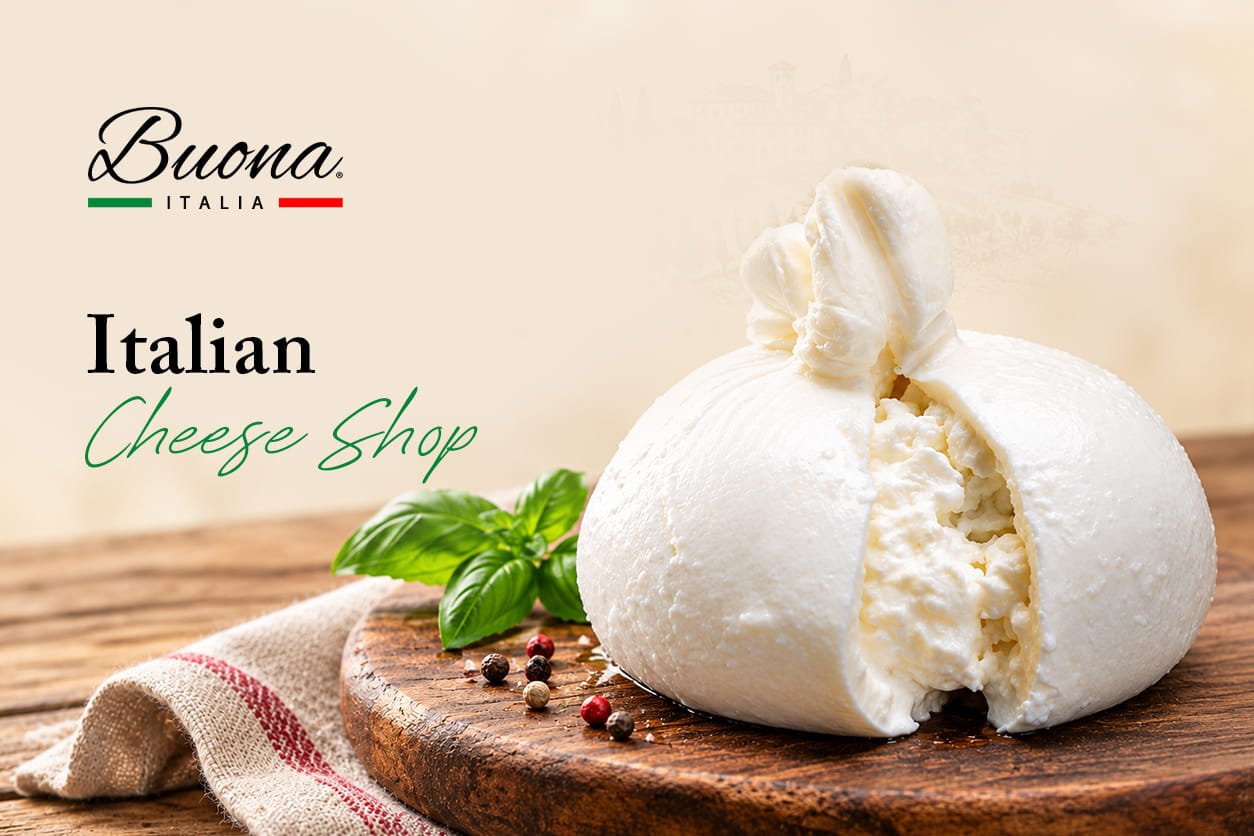
Flip it around now. Soft Italian cheese gives up firmness on purpose — fresh cow’s milk ricotta, burrata, Mozzarella di Bufala Campana DOP, mascarpone, Taleggio, a milder Gorgonzola. None of it’s trying to punch you in the face flavor-wise. That’s not the job here.
Ricotta just disappears into pasta fillings, into desserts, no drama. Burrata and fresh mozzarella go somewhere closer to liquid once you cut in — firm cheese can’t really pull that off. If you’re cooking around soft Italian cheese, you’re usually chasing that wetness and give, not more punch.
How An Italian Cheese Store Helps Explore Regional Specialties
Honestly, an Italian cheese store works almost like a map of Italy you eat your way through instead of reading. Emilia-Romagna does its own thing. Lombardy too. Tuscany’s not copying anyone. Local milk, local habits, generations of the same routine — that’s what ends up in the cheese.
And it’s not just the classic firm wheels carrying that variety around. Cow’s, goat’s, sheep’s milk, all in the mix, plus blue cheeses, aged wheels, fresh rounds, and a handful made with aging or flavoring tricks you won’t see everywhere. Deciding to buy Italian cheese stops feeling like a grocery errand at that point — it’s more like a door into the food culture behind it.
Planning a full Italian spread? This range is exactly why it’s worth it. Something firm anchors the pasta. Something soft opens things up as an appetizer. An aged or blue variety shows up later to shake up a shared board.
FAQs
How can I choose the right hard Italian cheese for cooking?
Depends what you're making, honestly. Need something grated with real depth? Parmigiano Reggiano or Grana Padano. Want that sharper, sheep's-milk kick instead? That's Pecorino's job.
Why should I buy Italian cheese from a specialized Italian cheese shop?
Because a normal grocery store just doesn't stock this deep. Buona Italia draws from a bunch of Italian traditions at once, so you're comparing textures and milk types instead of grabbing whatever's closest.
How does an Italian cheese store maintain the quality of its products?
Mostly by not cutting corners. A lot of what Buona Italia carries traces back to a specific Italian region, and some of it comes with recognized stamps like PDO attached.
Where can I find soft Italian cheese for pasta and appetizers?
Ricotta, burrata, Mozzarella di Bufala Campana DOP, Taleggio, mascarpone, creamy Gorgonzola — Buona Italia's soft cheese side covers all of it, with different levels of creaminess depending on what you need for pasta, appetizers, or pizza.
How is hard Italian cheese different from soft Italian cheese?
Hard cheese holds its shape, and works for grating or slicing. Soft cheese doesn't try to do that — creamy, delicate, falls apart on purpose. Buona Italia's got both covered, so whichever texture the recipe wants, it's usually sitting right there.