Italian food, at its best, doesn’t ask for much. Good ingredients, treated with a bit of respect, tend to do most of the work on their own — and Authentic Italian olive oil paired with Italian stuffed pasta is about as good an example as you’ll find. The oil is pressed from olives grown in Italy, and it brings a fruity depth to nearly anything it’s added to.
The pasta, meanwhile, is really just dough folded around a filling — ricotta one region, meat or spinach the next, depending on whose kitchen you’re borrowing the recipe from. Neither one has changed all that much over the years. That’s probably exactly why both are still around.
Why Authentic Italian Olive Oil Adds Character To Italian Cooking
That is not true when you compare one bottle to another. Geography plays a role than most people expect. The birthplace of the olives has a strong influence on the final result. Puglia, Sicily and Tuscany each favor their varieties and you can tell immediately once you taste the oil from each region.
Take the Coratina oil from Puglia – it hits you hard. Bitey, aggressive the oil you notice the second it lands on your tongue. The Nocellara oil from Sicily goes the direction: light, fruity, smooth, easy to drink straight from a spoon without making a face. The Moraiolo oil from Tuscany starts out smooth sneaks in a little heat at the back of your throat. Try all three oils. You will not need a palate cleanser in between – the differences show up right away.
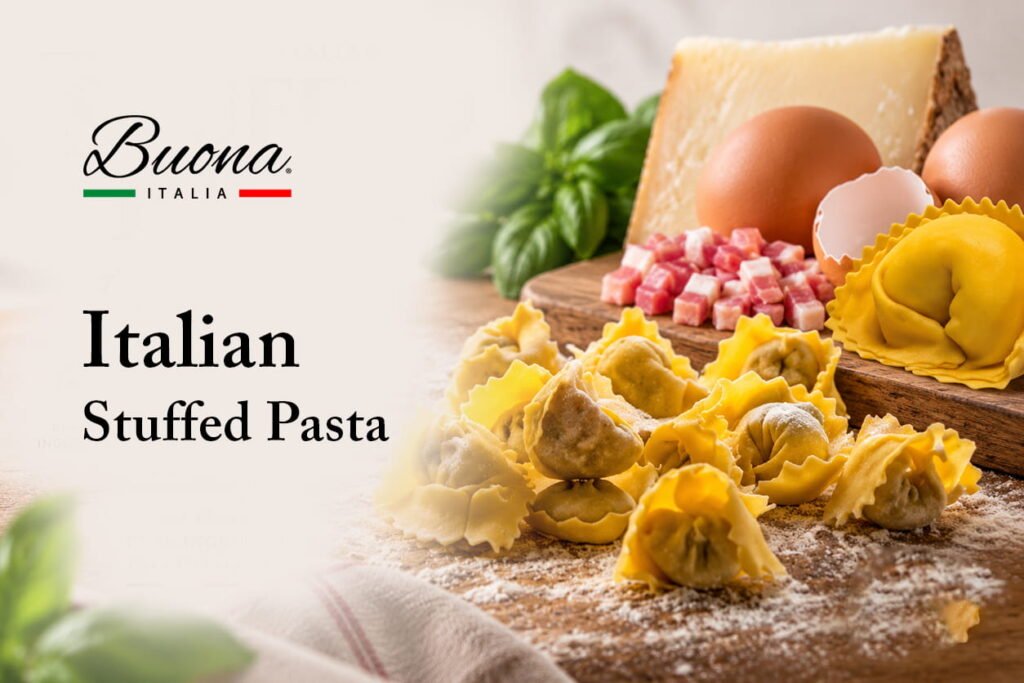
Pasta tells a story once you strip away the names. Italian stuffed pasta at its core comes down to two things: dough and filling. All the debates – prosciutto versus ricotta, meat versus spinach tortellini versus tortelli versus ravioli – really boil down to those two components. Change the filling, fold the dough differently and you have a different dish from a different region with a different name. The sauce it is served in is beside the point;, in the end it is still just dough wrapped around something good.
Exploring Italian Olive Oils Through Regional Flavor And Variety
Tasting your way through a handful of Italian olive oils is, honestly, one of the more painless ways to get a feel for Italian food as a whole. Aroma, strength, flavor — all of it shifts depending on the region and the olive itself. Some oils come out bold and peppery. Others are smoother and more fruit‑forward. That range is why it is worth shopping for real Italian olive oil with a bit of care instead of just grabbing whatever is closest to the hand.
There are infused versions too, if a standard extra virgin isn’t quite enough — lemon, chili, garlic, black truffle, white truffle. These tend to shine as finishing oils, which gives authentic Italian olive oil a job that goes well beyond just something you cook with.
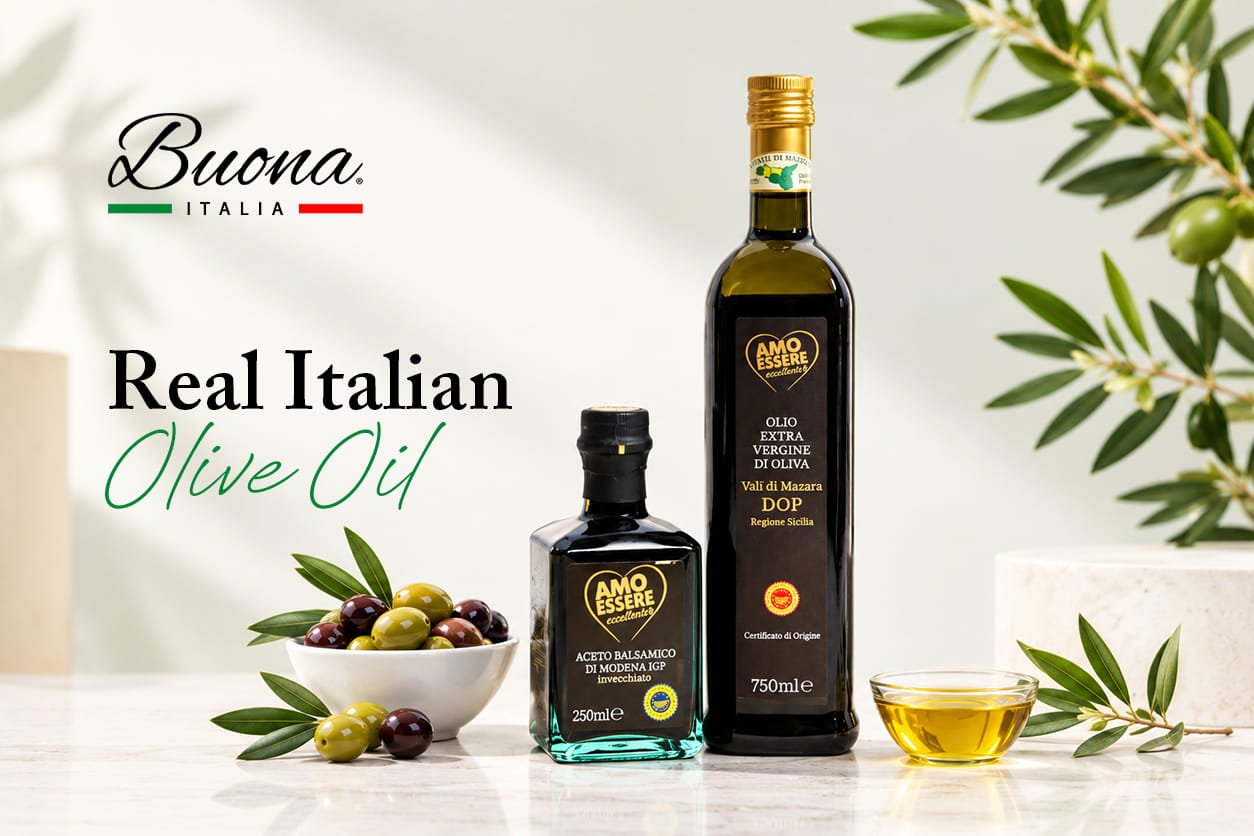
Where it actually comes from still matters more than anything else. Look for clear labeling, and a DOP designation where one applies. Buona Italia ties each of its oils back to a specific Italian region and producer, so you’re never really guessing at what’s in the bottle.
How Italian Stuffed Pasta Brings Traditional Flavor Home
Italian stuffed pasta really is just dough and filling, when you get down to it. That filling might be meat, cheese, vegetables, ricotta, prosciutto, or spinach — it depends entirely on the recipe. Tortellini, tortelli, and ravioli are the shapes most people would recognize on sight, and each carries its own texture and its own particular way of handling a filling.
Stuffed pasta tortellini is easy enough to spot — that ring shape gives it away before you’ve even looked twice. It’s traditionally filled with meat, cheese, or vegetables, and served either in broth or alongside a sauce weighted to match how rich the filling is.
Buona Italia’s tortellini stuffed pasta lineup pushes past the standard version, too. There’s handmade tortellini filled with meat, and a good spread of tortelloni varieties on top of that — beef, lamb, crab, duck, porcini mushroom, lemon, basil, ricotta, artichoke, Gorgonzola.
FAQs
What makes the best Italian olive oil different from other olive oils?
Mostly it comes down to the type of olive the area where its grown, how it is made and how new it is. Italian oils have a range.
How are Italian olive oils used in traditional Italian cooking?
Cooking, dressings, sauces, dipping bread finishing a plate. Cooking, dressings, sauces, dipping bread finishing a plate covers a lot of ground: salads, pasta, vegetables, meats, fish.
How can shoppers recognize real Italian olive oil when buying online?
Check the stated origin first. Anything specific tying the oil to Italian production or Italian olives is a good sign; vague labeling should make you pause. Certifications and regional details help a lot once you're comparing a few options against each other.
Where can you find authentic olive oil from Italy for traditional recipes?
Buona Italia's olive oil collection runs through extra virgin and regional oils from producers in Puglia, Tuscany, Sicily, and Umbria — solid for cooking and for finishing alike.
How is Italian stuffed pasta traditionally prepared?
A filling made of meat, cheese or vegetables gets sealed inside pasta dough. There are shapes such, as tortellini, tortelloni, ravioli and tortelli and each shape is connected to a different part of the country.
What makes stuffed pasta tortellini a popular Italian food?
The shape alone gives it away. It is always filled with meat, cheese or vegetables. Shows up most often in things like tortellini soup or tortellini with a cream sauce.
How is tortellini stuffed pasta usually served in Italy?
Usually in soup, or with a sauce, depending on where you are and how it's been made. Between the filling and the shape, it works just as well for a simple weeknight dinner as it does for something more elaborate.